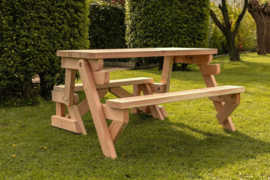
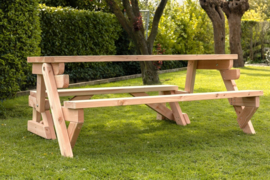

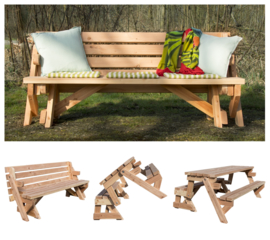

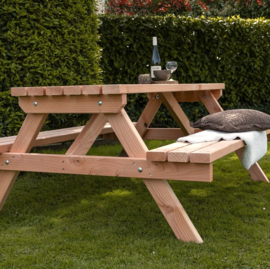
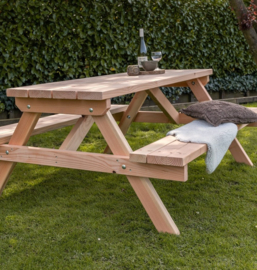

Sustainable Picnic Table: The Picnic Table of Today!
A picnic table is a familiar sight in hospitality venues, parks, gardens, and school playgrounds. More and more people find it important that when choosing a new picnic table, the decision is not only based on appearance or price, but also on sustainability. A sustainable picnic table lasts longer, has less impact on the environment, and sometimes even contributes to social goals. But what exactly does ‘sustainability’ mean in this context, and how do you make the right choice? We’ll guide you through frequently asked questions, take a closer look at the differences between an ordinary and a sustainable picnic table, and provide all options and practical advice. Based on recent figures, research, and user experiences, you’ll discover everything you need to know to make a responsible choice.
What is a Sustainable Picnic Table?
A sustainable picnic table distinguishes itself from a regular picnic table in several ways. Sustainability takes into account:
- Eco-friendly materials: Think of FSC- or PEFC-certified wood or recycled plastic. These materials are renewable or prevent additional waste.
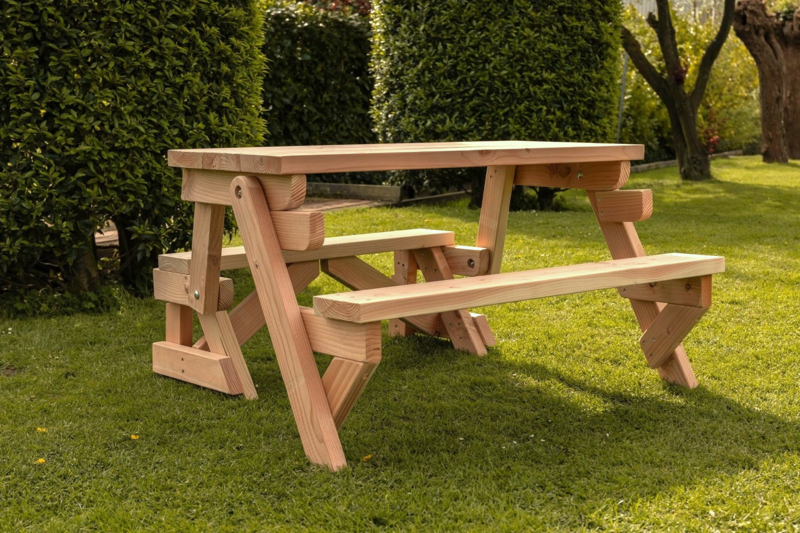
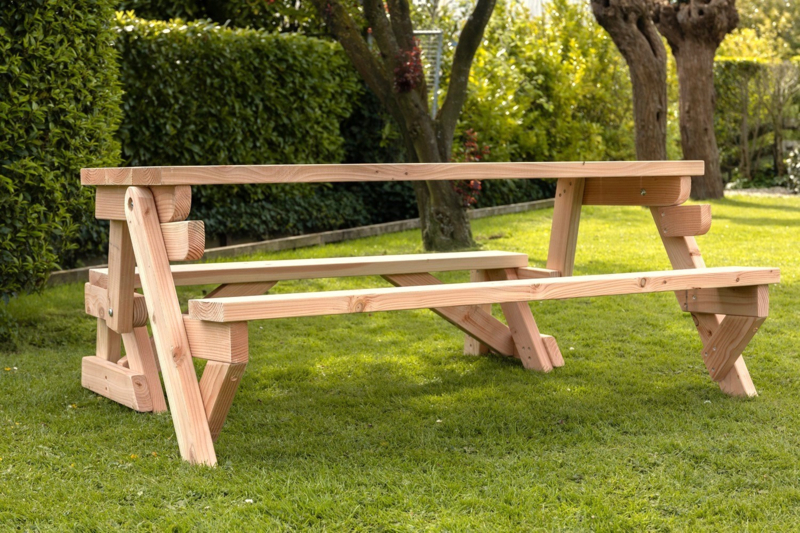
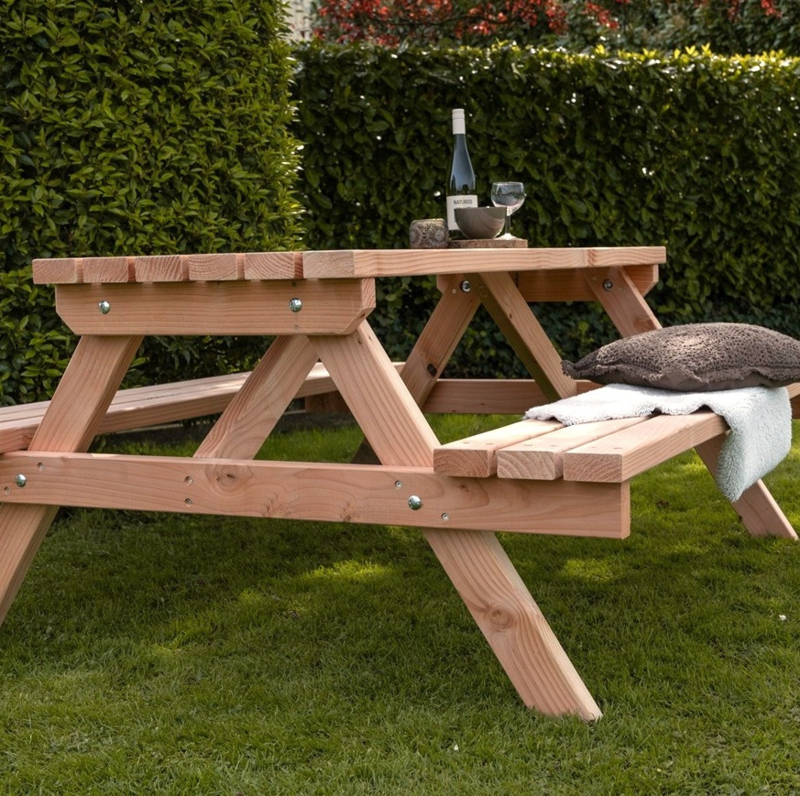
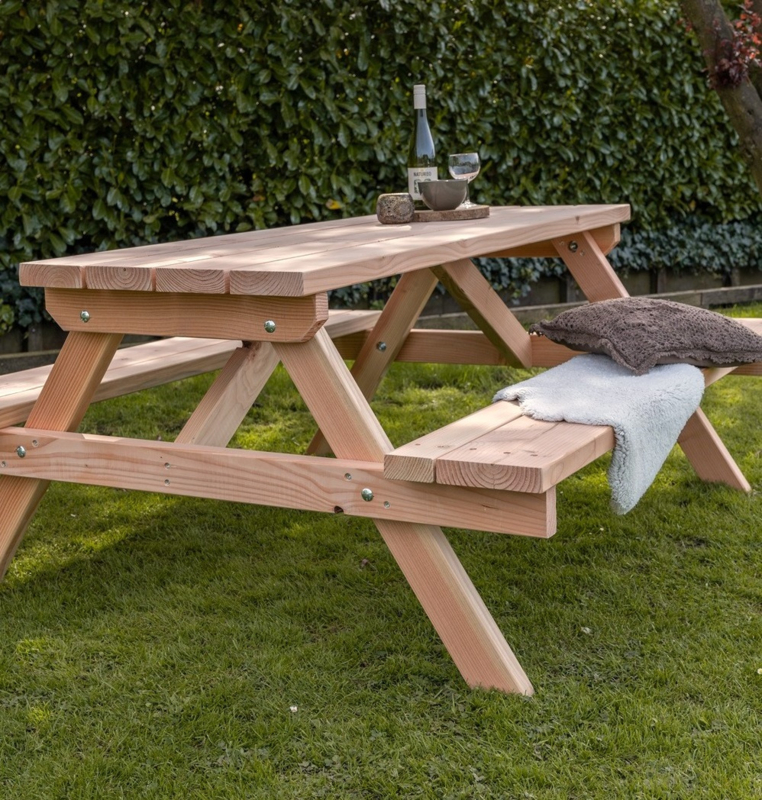
- Production process: Sustainable picnic tables, such as a Douglas picnic table, are often produced closer to the point of sale, for example in the manufacturer’s own workshops, they use green energy and minimise transport, reducing CO2 emissions.
- Long lifespan: Thanks to material choice and solid construction, sustainable tables last longer than regular versions and are often recyclable at the end of their lifespan.
- Corporate social responsibility: Some suppliers cooperate with social enterprises or give back to nature, for example by planting trees.
The combination of responsible raw materials, a fair production process, and social value makes a picnic table truly sustainable.
What is the Difference Between a Sustainable and an Ordinary Picnic Table?
The main difference lies in material choice, lifespan, and environmental impact. Regular picnic tables are often made of cheap, uncertified wood or non-recycled plastic. Production sometimes takes place outside Europe under less strict regulations, and the lifespan is usually shorter. Sustainable picnic tables are the opposite: robust, sturdy, made of high-quality (certified or recycled) materials, and they often last much longer. This means less waste, lower long-term costs, and a smaller ecological footprint.
Feature | Sustainable Picnic Table | Regular Picnic Table |
Material | FSC- or PEFC-certified wood, recycled plastic | Uncertified wood, low-grade plastic |
Lifespan | 10–35+ years | 5–15 years |
Maintenance | Minimal (plastic), periodic (wood) | Often more maintenance, wears faster |
Environmental impact | Low | High |
Certification | Usually (FSC, PEFC, recycled) | Rarely |
In addition, sustainable models are often stronger and safer, with extra attention paid to splinter-free finishes in wood and stability in plastic tables. Keep this in mind when purchasing a picnic table.
Why Choose a Sustainable Picnic Table?
Choosing a sustainable picnic table means choosing for the future. Reasons why more and more consumers and businesses make this choice:
- Reduced environmental impact: Recycled plastic prevents new plastic waste, and FSC- or PEFC-certified wood helps combat deforestation.
- Long lifespan: Some plastic models last virtually a lifetime; wooden tables with proper maintenance last around 15–25 years.
- Better maintenance: Plastic picnic tables are maintenance-free; wooden versions only need an annual quick treatment.
- Social impact: With a sustainable picnic table, you often support initiatives for social employment or reforestation.
Sustainable picnic tables are ideal for heavy-use areas such as schoolyards, campsites, and public parks, as they resist weather, vandalism, and wear.
Materials and Features of Sustainable Picnic Tables
Sustainable Wood
- Douglas, oak, acacia, and tropical hardwood: All from sustainably managed forests, lifespan 15–25 years (with proper maintenance).
- FSC or PEFC certification: Guarantees responsible forest management. PEFC also considers working conditions and local community rights.
- Aesthetic value: Natural appearance fits perfectly in gardens, parks, businesses, and schools.
- Maintenance: Annual cleaning, oiling, or staining to prevent greying or cracking. Note: untreated wood greys more quickly but remains functional.
Recycled Plastic
- Raw material: 100% recycled plastic collected from (Dutch) household and industrial waste.
- Durable and maintenance-free: Lifespan 50–100 years, rot- and splinter-free, resistant to all weather, UV light, and vandalism.
- Colours: Available in various colours, such as anthracite, brown, or green, to suit different environments.
- Recyclable: At the end of its life cycle, it can be recycled again into new outdoor furniture.
The higher purchase price of plastic is offset by the lack of maintenance and extremely long lifespan.
Extra Options: Combinations and Alternatives
Some manufacturers offer hybrid tables, combining wood and recycled plastic. This provides both a natural look and easy maintenance. Alternatives include bamboo or thermally modified wood – eco-friendlier than tropical hardwood.
Comparison: Wooden vs. Plastic Sustainable Picnic Tables
Below is a table comparing wooden and plastic sustainable picknick tables:
Feature | Wood (e.g. Douglas) | Recycled Plastic |
Lifespan | 15–25 years | 50 years–lifetime |
Maintenance | Annual staining, cleaning | Cleaning only |
Costs (indicative) | €200–€800 | €1,200–€2,500 |
Weight | 50–100 kg | 150–250 kg (vandalism-resistant) |
Colours | Natural tones | Various, also colourfast options |
Splinter-free | Yes, if well finished | Always |
Environmental impact | Low if FSC or PEFC | Very low |
Plastic seems more expensive initially, but with minimal maintenance and replacement costs it’s often cheaper over 30–40 years, making it especially suitable for public areas.
Sustainable Picnic Tables: Certifications and Standards
When purchasing, look for certifications such as FSC and PEFC for wood, and clear statements of 100% recycled material for plastic. These certifications guarantee sustainable forest management and responsible sourcing. FSC is a global certification. PEFC is local and also requires good working conditions and respect for community rights. Many suppliers state this explicitly. For plastic, a circular symbol or evidence of recycled content is important.
Frequently Asked Questions (FAQ) about Sustainable Picnic Tables
- What are the best materials for a sustainable picnic table?
FSC- or PEFC-certified wood or 100% recycled plastic. Bamboo and thermally modified wood are interesting alternatives. - What should I consider when buying a sustainable picnic table?
Check certifications, choose the right size and construction, and see if the supplier engages in socially responsible practices. - Which picnic table is best for public spaces?
Recycled plastic is ideal thanks to vandal resistance, long lifespan, and low maintenance. - How do I maintain a sustainable picnic table?
Wooden tables: clean annually and treat with oil or stain. Plastic tables: maintenance-free, just rinse with water. - What do FSC and PEFC mean?
These are international certifications proving the wood comes from responsibly managed forests. FSC is global, PEFC is more local, with additional focus on working conditions and community rights. - Are sustainable picnic tables more expensive?
Often at purchase, yes. But they last much longer and need less maintenance, making them cheaper in the long run. - How much plastic is saved by using recycled plastic tables?
Each plastic picnic table uses and saves approx. 60–150 kilos of plastic waste.
Advice: How to Choose the Best Sustainable Picnic Table
- Choose material based on use: For private, light use, FSC wood is ideal for its natural look. For public spaces, recycled plastic is better due to durability and strength.
- Check certifications: Look for FSC/PEFC for wood; 100% recycled or circular certification for plastic.
- Determine the right size: A standard picnic table is 180–220 cm long and seats 6–8 people. Choose longer models for larger groups.
- Consider construction: Solid material, strong joints, and safe finishes (splinter-free, no sharp edges).
- Maintenance: Wooden tables need annual care, plastic is maintenance-free.
- Social responsibility: Check if the supplier invests in social projects or environmental initiatives (like tree planting).
- Price and lifespan: Sustainable options may cost more initially but are cheaper in the long term.
User Experiences with Sustainable Picnic Tables
Users are enthusiastic. Reviews show both wood and plastic are appreciated for their sturdiness, long lifespan, and excellent supplier service. Common remarks include “very stable”, “low maintenance”, and “great look”. Negative points usually involve unknown brands or poor assembly instructions. Always choose a reputable supplier with proven experience and good reviews.
Facts and Figures (Research and Practice)
- Demand for sustainable garden and park furniture is growing by 7% annually.
- Within Europe, recycled plastic picnic tables are among the sturdiest: they often weigh 150–250 kg, making them nearly impossible to steal or move.
- 80% of all picnic tables sold for schools and parks are now FSC wood or fully recycled plastic.
Sustainable Picnic Tables and the Circular Economy
Sustainable picnic tables fit perfectly into the principles of the circular economy: raw materials are not wasted, and products are partly or fully recyclable. Manufacturers such as Rekupro and Nedaplast recover materials from household waste or construction debris and process them into robust garden and park furniture. After decades of use, these materials can be recycled again into new tables – a practical example of circularity in daily life.
Conclusion
Choosing a sustainable picnic table is a smart choice for the environment, your budget, and long-term comfort. Whether you prefer robust FSC-certified wood with a natural look or maintenance-free recycled plastic in a range of colours, you contribute to a cleaner world. When purchasing, focus on certifications, choose the right size, and seek expert advice if needed. The investment pays off many times over in years of carefree use and a visibly lower environmental impact.